Smart Storage Solutions for Small Apartments
In small apartments, storage is often a challenge. Limited square footage means that traditional furniture and storage methods may not be practical. However, with thoughtful planning, it’s possible to maximize space and maintain a stylish, uncluttered living area. This article explores smart storage solutions tailored for compact homes, focusing on vertical shelving, under-bed bins, and multipurpose furniture. These approaches aim to reduce visual clutter without compromising on style.
Many apartment dwellers face the dilemma of having too much stuff and too little space. The key is to think creatively and utilize every available inch. By incorporating vertical elements, hidden compartments, and furniture that serves multiple purposes, you can create a functional and aesthetically pleasing environment. The following sections delve into each strategy, offering practical insights and considerations for implementation.
It’s important to note that the effectiveness of these solutions can vary based on individual circumstances, such as apartment layout, personal habits, and the amount of items to store. Therefore, the suggestions provided are meant to be adapted and customized to fit specific needs. With that in mind, let’s explore how to make the most of your small apartment.
Vertical Shelving: Utilizing Height for Storage
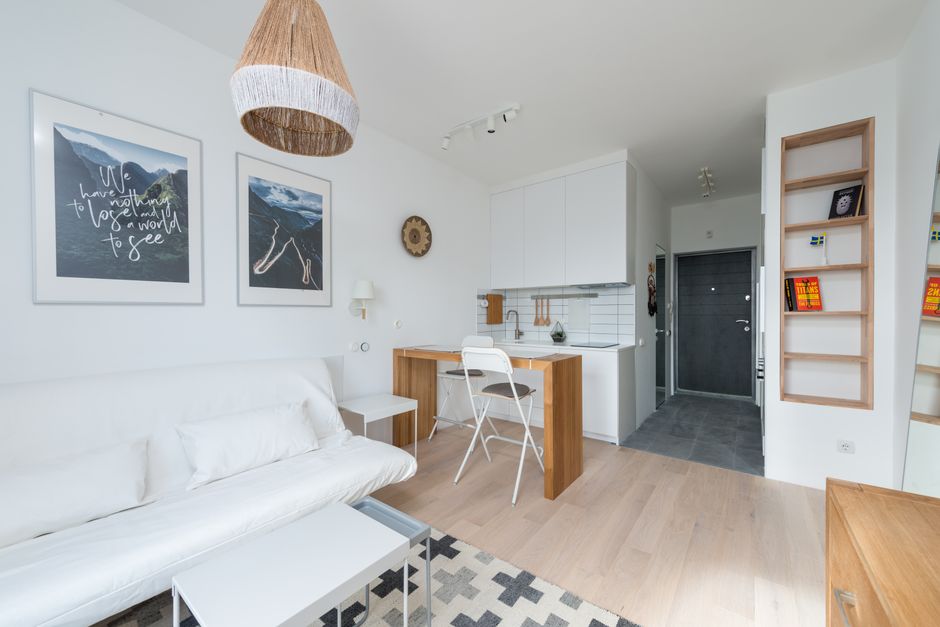
Vertical shelving is a cornerstone of small apartment storage. By installing shelves that reach up to the ceiling, you can take advantage of the often-overlooked vertical space. This approach not only increases storage capacity but also draws the eye upward, making the room feel taller and more spacious. When selecting vertical shelving, consider the weight of the items you plan to store and ensure the shelves are securely mounted. Adjustable shelves offer flexibility, allowing you to reconfigure as your needs change.
There are various types of vertical shelving to consider. Wall-mounted shelves are ideal for tight spaces, as they don’t take up floor area. Leaning ladders or etagere styles can add a decorative touch while providing storage. For a more built-in look, custom cabinetry that extends to the ceiling can seamlessly blend with your decor. In smaller apartments, open shelving can make a space feel larger, but it requires keeping items organized and visually appealing. Closed cabinets, on the other hand, hide clutter but may make a room feel heavier.
When arranging items on vertical shelves, group similar objects together and use baskets or bins to contain smaller items. This not only keeps things tidy but also adds a layer of texture and style. Place frequently used items on lower shelves for easy access, and store seasonal or infrequent items up high. It’s also beneficial to leave some empty space to prevent a cramped appearance. By thoughtfully curating what goes on your shelves, you can create a display that is both functional and attractive.
Safety is a key consideration with vertical shelving. Ensure shelves are anchored to the wall to prevent tipping, especially in areas with high traffic or if you live in an earthquake-prone region. Distribute weight evenly and avoid overloading shelves. For renters, there are many removable options that don’t require drilling, such as tension rods or adhesive hooks, though these may have weight limitations. Always check your lease agreement before making permanent changes.
Under-Bed Bins: Maximizing Hidden Space
The space under the bed is a prime candidate for hidden storage. Under-bed bins come in various sizes and materials, from plastic containers to fabric bags with zippers. These bins can store out-of-season clothing, extra linens, shoes, and other items that are not needed daily. By utilizing this area, you free up closet and dresser space, reducing visual clutter in the main living area. Before purchasing bins, measure the height under your bed to ensure they fit properly. Some beds have built-in drawers, which can be a convenient alternative.
When choosing under-bed bins, consider the following factors: durability, ease of sliding, and visibility of contents. Clear plastic bins allow you to see what’s inside without opening them, which can be helpful. However, fabric bins are often more breathable and can be more aesthetically pleasing if they are visible. Wheeled bins make it easier to pull them out from under the bed, especially on carpeted floors. It’s also wise to label each bin to avoid confusion and to keep things organized.
To maximize the use of under-bed bins, sort items by category and frequency of use. Items you need less often should go in bins that are harder to reach, while everyday items should be easily accessible. Consider using vacuum-sealed bags for bulky items like comforters or winter coats to save even more space. Moisture-absorbing packets can help prevent mustiness, especially in humid climates. Regularly review the contents to avoid accumulating unnecessary items.
Hidden storage like under-bed bins can contribute to a sense of order in a small apartment. However, it’s important to not overstuff bins, as this can make them difficult to move and could damage the contents. Also, be mindful of the weight limit of your bed frame if you store heavy items underneath. In some cases, a bed skirt or a specially designed bed with storage compartments can integrate this solution seamlessly. Overall, under-bed storage is a practical way to utilize space that would otherwise be wasted.
Multipurpose Furniture: Function Meets Style
Multipurpose furniture is another effective strategy for small apartments. These pieces are designed to serve more than one function, thereby reducing the number of items needed. Examples include sofa beds, storage ottomans, and coffee tables with lift-up tops. By investing in furniture that adapts to different needs, you can make your space more versatile and efficient. When selecting multipurpose furniture, prioritize quality and functionality over trendiness, as these pieces are often used daily.
One popular option is a storage ottoman, which can serve as a footrest, extra seating, and a place to store blankets, magazines, or other small items. Similarly, a bed with built-in drawers provides both sleeping space and storage. Nesting tables can be separated when needed and tucked away when not in use. Folding desks or wall-mounted drop-leaf tables can create a workspace that disappears when not needed. The key is to identify the activities that happen in your apartment and choose furniture that supports them without taking up unnecessary space.
When arranging multipurpose furniture, consider the flow of the room. Ensure that pieces can be easily converted from one function to another without obstruction. For example, a sofa bed requires space to unfold, so it’s best not to place it too close to other furniture. Also, think about the visual weight of the furniture; lighter colors and materials can help a small space feel more open. It’s also beneficial to choose pieces with clean lines and minimal ornamentation to avoid a cluttered look.
Maintenance and durability are important aspects of multipurpose furniture. Mechanisms like pull-out beds or lift-up tables should be tested for smooth operation. Read reviews and, if possible, try before you buy. Since these pieces often combine multiple functions, they may be more expensive than single-purpose items. However, the space savings and versatility can justify the investment. As with any furniture, proper care can extend its lifespan and keep it looking good.
Design and Organization Tips for a Clutter-Free Look
Beyond the specific solutions, there are general design and organization principles that can enhance any small apartment. Color schemes play a significant role; light, neutral colors can make a space feel larger, while dark colors can make it feel cozier but more enclosed. Consistent color palettes across furniture and storage items can create a cohesive look. Mirrors can also be used to reflect light and create an illusion of more space. When combined with smart storage, these design choices can transform a compact apartment into a comfortable and stylish home.
Organization is key to maintaining a clutter-free environment. Develop a system for sorting and storing items, and stick to it. Regularly declutter by removing items you no longer need or use. The “one in, one out” rule can help prevent accumulation. Use labels and categories to keep things orderly. Vertical space isn’t just for shelves; hanging organizers on doors and walls can add storage. Under-bed bins should be periodically reviewed. By staying organized, you ensure that your storage solutions remain effective over time.
Finally, consider the aesthetic impact of your storage choices. Hidden storage can reduce visual clutter, but the pieces you choose should align with your personal style. Whether you prefer modern minimalism or a more eclectic look, there are storage solutions to match. Haven Home offers a range of products that blend functionality with design, but the principles discussed here apply broadly. With careful planning and creativity, you can create a small apartment that feels spacious, organized, and inviting.
In small spaces, every item should have a purpose and a place. By thinking vertically, utilizing hidden areas, and choosing versatile furniture, you can achieve a balance of form and function.