Creating a warm and inviting living room often begins with a thoughtful approach to lighting. Rather than relying on a single overhead fixture, many interior designers and lighting specialists recommend a layered strategy that combines different types of light for various purposes. This method involves integrating ambient, task, and accent lighting to address both the functional needs of the space and the desire for a comfortable atmosphere. By understanding how these layers interact, homeowners can make informed decisions that suit their daily routines and aesthetic preferences.
In this guide, we explore the principles of layered lighting, with a focus on bulb color temperatures and dimmer options. The goal is to provide a practical framework that can be adapted to different living room layouts and personal styles. Whether you are starting from scratch or looking to refine an existing setup, the information here aims to support a balanced and flexible lighting design. Keep in mind that every home is unique, and the best results often come from experimenting with combinations that feel right for your space.
Throughout the article, we will discuss ambient lighting as the foundation, task lighting for specific activities, and accent lighting for visual interest. We will also cover how color temperature affects the mood and how dimmers can enhance control. By the end, you should have a clearer idea of how to approach your living room lighting with confidence and creativity.
Understanding the Three Layers of Light
Layered lighting is a design concept that divides illumination into three distinct categories: ambient, task, and accent. Ambient lighting provides general illumination for the entire room, ensuring safety and basic visibility. Task lighting is focused on areas where activities such as reading, crafting, or conversing take place. Accent lighting highlights architectural features, artwork, or decorative elements to add depth and interest. Each layer serves a purpose, and when combined effectively, they create a versatile and welcoming environment.
One common mistake is to rely solely on ambient lighting, which can result in a flat and sometimes harsh atmosphere. By incorporating task lighting, you can reduce eye strain and make specific activities more enjoyable. Accent lighting, on the other hand, adds a sense of drama and can draw attention to focal points. The key is to balance these layers so that no single source dominates. For example, a room with bright ambient light and minimal accents may feel functional but lacking in warmth, while too many accent lights without ambient support can create uneven illumination.
When planning your layers, consider the room’s size, ceiling height, and furniture arrangement. Living rooms with high ceilings may benefit from suspended fixtures or wall washers for ambient light, while smaller rooms might use floor lamps and table lamps to avoid overwhelming the space. It’s also helpful to think about the times of day when the room is used most. Evening gatherings may call for softer, dimmed layers, whereas daytime tasks might require brighter task lighting. By mapping out these needs, you can create a lighting plan that adapts to different moments.
Ambient Lighting: The Foundation of Comfort
Ambient lighting forms the base layer of any lighting design. Its primary role is to provide enough light to move around safely and to set the overall tone of the room. Common sources include ceiling fixtures, chandeliers, recessed lights, and large floor lamps that bounce light off the ceiling. In a living room, ambient light should be soft and evenly distributed to avoid glare and harsh shadows. Many homeowners opt for dimmable ambient fixtures so they can adjust the intensity based on the time of day or activity.
When selecting ambient lighting, consider the color temperature of the bulbs. Color temperature is measured in Kelvin (K) and describes the warmth or coolness of the light. For a cozy living room, warmer temperatures in the range of 2700K to 3000K are often recommended. These temperatures emit a soft, yellowish-white light that mimics incandescent bulbs and creates a relaxing atmosphere. Cooler temperatures (3500K and above) tend to be more energizing and are better suited for workspaces or kitchens. However, personal preference plays a significant role, and some may prefer a slightly cooler ambient light for reading.
Another factor is the lumen output, which indicates brightness. For ambient lighting, a general guideline is to aim for about 10 to 20 lumens per square foot. A 200-square-foot living room might need between 2,000 and 4,000 lumens in total, spread across multiple fixtures. Dimmers are invaluable here, as they allow you to lower the brightness when full illumination is not needed. Installing a dimmer switch for your main ambient fixtures can greatly enhance the flexibility of your lighting scheme. It’s also worth noting that LED bulbs are available in dimmable versions and offer energy efficiency and long lifespan.
Task Lighting: Focused Illumination for Daily Activities
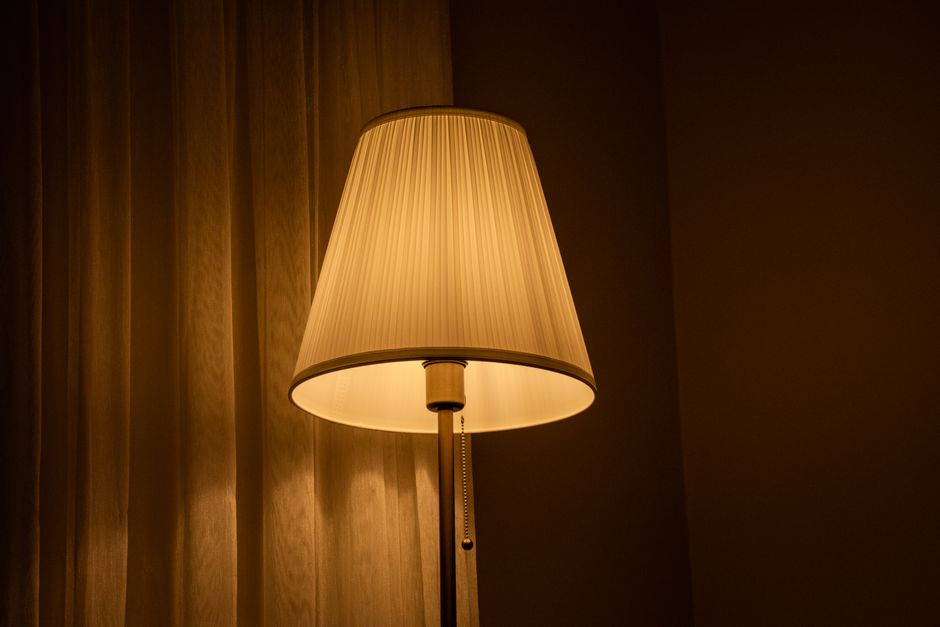
Task lighting is designed to illuminate specific areas where you perform activities that require more light. In a living room, this could include a reading chair, a desk, or a game table. The goal is to provide adequate light without causing glare or shadows that hinder the task. Adjustable fixtures such as swing-arm lamps, gooseneck lamps, and pendant lights with directional shades are popular choices. Placing a floor lamp next to a sofa or an armchair can create a dedicated reading nook, while a table lamp on a side table can serve both as task and accent lighting.
Color temperature for task lighting may vary depending on the activity. For reading, a temperature around 3000K to 3500K can provide good contrast and reduce eye fatigue. Some experts suggest that cooler temperatures (around 4000K) are better for detailed work, but in a living room setting, warmer tones often blend more seamlessly with ambient light. It’s important to avoid overly bright task lighting that contrasts sharply with the ambient layer, as this can create uncomfortable transitions for the eyes. A good practice is to have task lights on dimmers or with multiple brightness settings so you can adjust according to the task and time of day.
Positioning is crucial for effective task lighting. For reading, the light should come from behind or over the shoulder, directed onto the page without shining into the eyes. For tasks like knitting or writing, a combination of overhead and side lighting may work best. Additionally, consider the color rendering index (CRI) of the bulbs. A CRI of 90 or higher ensures that colors appear natural, which is important for tasks like reading colored materials or crafting. When planning task lighting, think about the furniture layout and where you naturally sit. Placing outlets strategically can make it easier to add lamps without unsightly cords.
Accent Lighting: Adding Depth and Interest
Accent lighting is used to highlight specific features in a room, such as artwork, architectural details, or plants. It adds a layer of visual interest and can create a sense of drama or intimacy. Common accent lighting techniques include wall washing, spotlighting, and backlighting. Picture lights mounted above artwork, track lighting aimed at a gallery wall, or LED strips behind a television or shelf are all examples. Accent lighting should be used sparingly to avoid visual clutter; a few well-placed highlights can be more effective than many competing sources.
When choosing bulbs for accent lighting, consider a slightly warmer color temperature to complement the ambient light. Temperatures around 2700K to 3000K are often ideal for highlighting warm-toned materials like wood or fabric. However, if the accent is on a cool-toned object, a slightly cooler temperature might be appropriate. Dimmers are particularly useful for accent lighting because they allow you to adjust the intensity to suit the mood. For example, you might want brighter accent lights when entertaining and softer ones for a quiet evening. Many accent fixtures come with built-in dimmers or can be connected to a smart dimming system.
Another aspect to consider is the beam angle of the light. Narrow beams create a focused spotlight effect, while wider beams provide a wash of light. The choice depends on the size and texture of the object being highlighted. For textured surfaces like brick or stone, a grazing angle can emphasize the texture. For smooth surfaces, a more direct angle may be better. It’s also important to avoid glare by shielding the light source from direct view. Using baffles or focusing the light precisely can help achieve a clean, professional look. Remember that accent lighting should enhance, not overpower, the overall lighting composition.
Choosing Color Temperatures and Dimmer Options
Color temperature and dimming capabilities are two critical components of a warm living room lighting design. As mentioned, warmer temperatures (2700K–3000K) are generally preferred for relaxation and comfort. However, it’s not just about the Kelvin rating; the consistency of color temperature across all layers matters. Mixing too many different temperatures can create a disjointed look. A common approach is to use a consistent warm temperature for ambient and accent lighting, and perhaps a slightly cooler one for task lighting if needed for visual acuity.
Dimmers offer control over light intensity, which is essential for creating a warm and adaptable atmosphere. There are several types of dimmers, including rotary, slide, and smart dimmers that can be controlled via app or voice. When selecting dimmers, ensure they are compatible with the bulbs you choose. LED bulbs, in particular, require dimmers designed for LED technology to avoid flickering or buzzing. Some dimmers also allow you to set scenes or schedules, which can be convenient for mimicking natural daylight patterns or for energy savings.
It’s also worth considering the dimming range. A dimmer that can go from 1% to 100% offers more flexibility than one that only goes down to 10%. For evening comfort, being able to dim lights to a very low level can create a cozy, candle-like ambiance. Additionally, warm dimming technology, where the color temperature shifts to a warmer tone as you dim, is becoming popular. This mimics the behavior of incandescent bulbs and can enhance the feeling of warmth. When planning your dimming strategy, think about which lights you want to control together and which should be independent. Zoned dimming can add another layer of versatility.
In conclusion, layered lighting is a flexible approach that can be tailored to your lifestyle. By understanding the roles of ambient, task, and accent lighting, and by paying attention to color temperature and dimming, you can create a living room that feels warm and welcoming at any time. Remember that experimentation and adjustment are part of the process. With careful planning and a willingness to try different combinations, you can achieve a lighting design that truly enhances your home.