How Scented Candles and Diffusers Shape Home Atmosphere
Home fragrance has become a significant element in interior design and daily routines, with scented candles and diffusers serving as popular tools for shaping the atmosphere of a living space. These products do more than simply add pleasant smells; they can influence mood, signal transitions between activities, and contribute to an overall sense of comfort. Understanding how different fragrance methods work and where to place them can help individuals create environments that feel more inviting and personalized.
This article examines the most common home fragrance options—scented candles, reed diffusers, and essential oil blends—and their role in fostering a perceived sense of coziness. It also provides practical guidance on placement and safety considerations. The focus is on process and context rather than guaranteed outcomes, recognizing that individual preferences and environmental factors play a large role in how fragrance is experienced.
By exploring the characteristics of each method, readers can make informed decisions about which approaches might align with their spaces and routines. The information presented here is neutral and aims to support thoughtful experimentation rather than prescribe a single best practice.
Understanding the Role of Fragrance in Home Atmosphere
Fragrance is a powerful sensory cue that can evoke memories, shift emotional states, and define the character of a room. In the context of home atmosphere, the goal is often to create a backdrop that feels pleasant without being overwhelming. The perception of coziness—sometimes described as a warm, comfortable, and secure feeling—can be influenced by many factors, including lighting, texture, and scent. While no single element guarantees a specific feeling, fragrance can contribute to a cohesive sensory experience.
Scented candles and diffusers are among the most accessible tools for introducing fragrance into a home. Candles release aroma when heated, often accompanied by a soft glow that adds visual warmth. Diffusers, such as reed diffusers or ultrasonic models, disperse fragrance without a flame, offering continuous scent delivery. Essential oil blends provide a customizable option, allowing users to mix scents according to personal preference. Each method has distinct characteristics that may suit different rooms and occasions.
The effectiveness of any fragrance method depends on factors such as room size, ventilation, and the intensity of the product. A large, open-plan living area may require a different approach than a small bathroom or bedroom. Additionally, the same scent can be perceived differently by different individuals due to personal associations and sensitivity. Therefore, experimenting with placement and intensity is often necessary to achieve a desired atmospheric effect.
Scented Candles: Characteristics and Placement Considerations
Scented candles are a classic choice for adding fragrance and ambiance. They typically consist of wax, a wick, and fragrance oils. When lit, the heat of the flame melts the wax, releasing the scent into the air. The type of wax—such as paraffin, soy, or beeswax—can influence burn time, scent throw, and how cleanly the candle burns. The size of the candle and the number of wicks also affect performance.
Placement of candles should prioritize safety and even scent distribution. It is generally advisable to place candles on stable, heat-resistant surfaces away from drafts, curtains, and other flammable materials. In larger rooms, a single candle may not provide sufficient scent throw; using multiple candles or combining with a diffuser can help. For a subtle effect, placing a candle in a smaller area like a bathroom or entryway can create a welcoming impression.
Safety notes for candles include never leaving a burning candle unattended, keeping it out of reach of children and pets, and trimming the wick to about one-quarter inch before each use to prevent excessive smoking. The candle should be extinguished if the flame becomes too high or flickers repeatedly. It is also important to allow the wax to melt evenly across the surface during the first burn to avoid tunneling. These practices support both safety and optimal fragrance release.
When selecting a candle, consider the scent profile and how it might interact with the room’s function. For example, a citrus or herbal scent might feel refreshing in a kitchen or home office, while a vanilla or sandalwood scent could contribute to a relaxing atmosphere in a bedroom or living area. Haven Home offers a range of candles that can be incorporated into different spaces, though personal preference remains the primary guide.
Reed Diffusers and Other Non-Flame Options
Reed diffusers are a popular flameless alternative for continuous home fragrance. They consist of a container filled with fragrance oil and a set of reeds, typically made of rattan or other porous materials. The reeds absorb the oil and release the scent into the air through capillary action. The intensity of the fragrance can be adjusted by flipping the reeds or removing some of them. Reed diffusers are generally low-maintenance and provide a steady, subtle scent over an extended period.
Placement of reed diffusers should consider airflow and proximity to occupants. Placing the diffuser in a central location, such as a hallway or living room, allows the scent to disperse more evenly. Avoid placing diffusers in direct sunlight or near heat sources, as this can cause the oil to evaporate too quickly. In smaller rooms, a single diffuser may be sufficient, while larger spaces might benefit from multiple units or a combination with other methods.
Safety notes for reed diffusers are primarily related to spillage and skin contact. The oils used can be damaging to finishes and fabrics, so placing the diffuser on a protective mat or tray is advisable. Keep diffusers out of reach of children and pets to prevent accidental ingestion or spills. Some individuals may be sensitive to certain fragrance compounds, so it is wise to start with a small unit and observe any reactions. Ventilation can help maintain air quality.
Other non-flame options include ultrasonic diffusers, which use water and essential oils to create a fine mist, and heat-based diffusers, which warm the oil to release scent. These devices offer additional flexibility in terms of intensity and scent customization. However, they also require regular cleaning to prevent buildup and maintain performance. The choice between reed diffusers and other types depends on the desired level of control, maintenance preferences, and room characteristics.
Essential Oil Blends: Customization and Safe Use
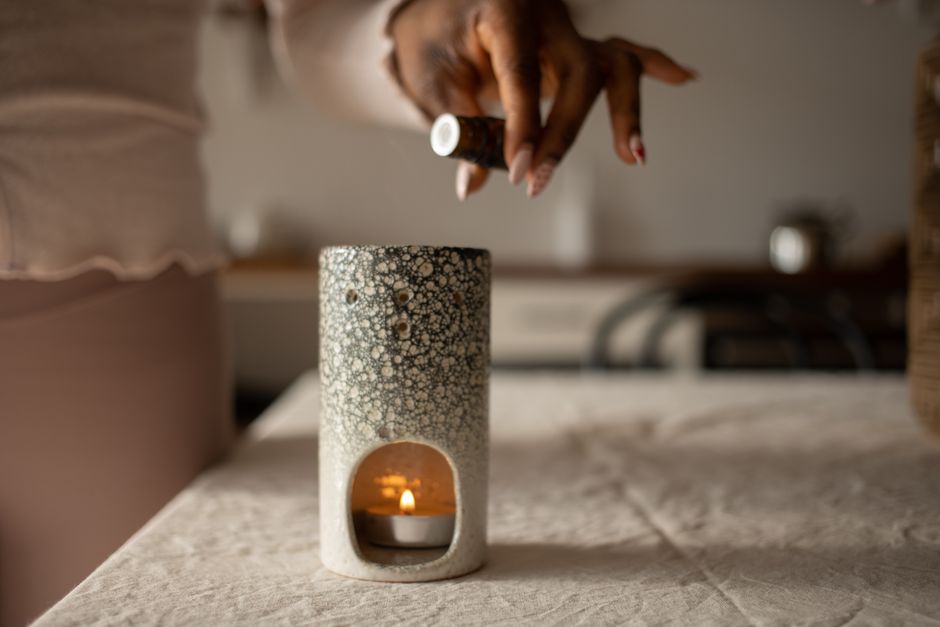
Essential oil blends allow for a high degree of customization in home fragrance. By combining different essential oils, users can create unique scents that align with specific moods or functional needs. For example, a blend of lavender and chamomile might be used in a bedroom to support relaxation, while a mix of peppermint and eucalyptus could be chosen for a home office to promote alertness. The versatility of essential oils makes them appealing to those who enjoy experimenting with scent.
When using essential oils, it is important to follow safe practices. Oils should be diluted properly before use in diffusers, typically with water, according to the device manufacturer’s instructions. Some essential oils can be irritating to the skin or respiratory system if used in high concentrations. It is advisable to start with small amounts and increase gradually. Additionally, quality matters: pure, therapeutic-grade oils are often recommended to avoid synthetic additives that may affect the scent or safety profile.
Placement of essential oil diffusers should ensure that the mist does not directly contact walls, furniture, or electronic devices. A location with good air circulation helps distribute the aroma without creating a heavy concentration in one area. In shared spaces, it is considerate to check with others about scent preferences, as sensitivities can vary widely. For those who are pregnant, have asthma, or other health conditions, consulting a healthcare professional before using essential oils is prudent.
Haven Home provides a selection of essential oil blends that can be used in compatible diffusers. However, the responsibility for safe usage lies with the individual, and the information here is not a substitute for professional advice. Experimentation should be done cautiously, with attention to how the scent interacts with the space and its occupants.
Creating a Cohesive Atmosphere: Combining Methods and Setting Intentions
Many people find that combining different fragrance methods can enhance the overall atmosphere of a home. For instance, a reed diffuser in a hallway might provide a subtle base scent, while a scented candle in the living room adds a layer of warmth and visual appeal. Essential oil blends can be used in specific rooms to target particular activities, such as a blend for focus in a study or a calming blend in a bath area. The key is to avoid overwhelming the senses by layering too many strong scents in a single space.
Setting intentions for each room can guide fragrance choices. A living room might be intended for social gatherings, so a welcoming, citrus or spice-based scent could be appropriate. A bedroom might be designated for rest, suggesting softer, floral or woody notes. By aligning fragrance with the function of a space, individuals can create a more coherent sensory environment. It is also helpful to consider the time of day: brighter scents in the morning and warmer scents in the evening can support natural rhythms.
Ultimately, the impact of home fragrance on perceived coziness is highly individual. Factors such as personal memories, cultural background, and current mood all influence how a scent is experienced. Therefore, the most effective approach is often one of mindful experimentation. Trying different products, placements, and intensities can help identify what works best for a given space and its inhabitants. There is no universal formula, and preferences may change over time.
As with any home element, moderation and attention to safety are important. Fragrance should enhance, not dominate, the environment. By understanding the characteristics of candles, diffusers, and essential oil blends, and by following basic safety guidelines, individuals can make informed choices that contribute to a pleasant and comfortable home atmosphere. Haven Home encourages a thoughtful and personalized approach to home fragrance, recognizing that the journey is as important as the destination.